

 Buying a brand-new home is exciting. Everything is new, clean, and built just for you. But new construction doesn’t necessarily mean problem-free construction.
As your home goes through its first year of changing seasons, everyday use, settling, and normal wear, issues that weren’t obvious when you moved in can begin to surface. The good news? Many new construction homes come with a builder warranty that may cover certain defects during the first year.
That’s why scheduling a one-year builder warranty inspection before your warranty expires can be such a valuable step for homeowners.
At Premier Home Inspection, we help Middle Tennessee homeowners take a closer look at their homes before that important warranty deadline arrives.
What Is a One-Year Builder Warranty Inspection?
A one-year builder warranty inspection—sometimes called an 11-month warranty inspection—is a professional home inspection performed near the end of your builder’s first-year warranty period.
The goal is simple: identify visible defects, safety concerns, or other issues that may have developed or become apparent since you moved in.
Instead of relying only on the problems you’ve noticed during your first year in the home, an inspector evaluates the home’s accessible systems and components and provides a detailed report of the findings.
You can then use that information when communicating concerns to your builder before the applicable warranty expires.
Important: Builder warranties vary. Homeowners should review their individual warranty documents to understand what is covered, what is excluded, and the deadlines and procedures for submitting claims.
 Why Inspect a Home That’s Only One Year Old?
It’s easy to assume that because a home passed municipal inspections and received a certificate of occupancy, everything must have been installed correctly.
However, a home inspection and a code inspection serve different purposes.
Municipal inspections generally focus on whether construction complies with applicable building codes at specific stages of the building process. A professional home inspection provides a broader visual evaluation of the home’s accessible systems and components at the time of the inspection.
And even with an experienced builder and quality subcontractors, mistakes can happen.
Your home is a complex system made up of thousands of individual components. During the first year, changing temperatures, rain, humidity, normal settling, and daily use can reveal concerns that weren’t readily apparent at closing.
What Can Be Found During a Builder Warranty Inspection?
Every home is different, but a one-year warranty inspection can identify concerns throughout the property.
Depending on the home and what is accessible at the time of inspection, findings may involve:
- Roofing, flashing, and exterior components
- Attic spaces and insulation
- Heating and cooling systems
- Plumbing fixtures and visible plumbing components
- Electrical systems and components
- Windows and doors
- Walls, ceilings, and floors
- Crawl spaces or accessible foundation areas
- Drainage and grading
- Installed appliances
- Safety-related components
Some findings may be relatively minor. Others may be more significant or could become more expensive to address if left unresolved.
The value of the inspection isn’t about expecting something to be wrong. It’s about getting more information about your home while you may still have an opportunity to address qualifying concerns through your builder.
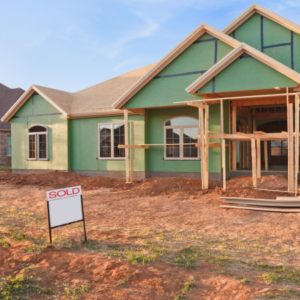 “But My Builder Already Inspected the House.”
This is one of the most common misconceptions about new construction homes.
Yes, your home likely went through multiple inspections during construction. But those inspections don’t eliminate the value of having an independent home inspection.
Think of it this way: a new home can meet required standards and still have defects, incomplete work, or components that warrant further attention.
A home inspector works for you and evaluates the home based on its visible and accessible condition on the day of the inspection.
That independent perspective can be particularly valuable before a builder warranty deadline.
Why Is It Often Called an “11-Month Inspection”?
Timing matters.
Although it’s commonly called a one-year warranty inspection, homeowners often schedule it around the 10- or 11-month mark rather than waiting until the final days of the warranty.
Why?
Because you need time to:
- Schedule and complete the inspection.
- Review the inspection report.
- Determine which findings you want to submit to your builder.
- Follow your builder’s required process for warranty requests.
- Submit your concerns before applicable deadlines.
Waiting until the warranty is almost over can create unnecessary pressure.
If you know when your builder warranty expires, consider putting a reminder on your calendar well in advance.
Do I Need a Warranty Inspection If I Had an Inspection Before Closing?
It can still be beneficial.
A pre-closing new construction inspection provides valuable information about the home at that point in time. A warranty inspection looks at the home after you’ve actually lived in it.
A lot can happen during that first year.
Your HVAC system has worked through different seasons. Plumbing fixtures have been used daily. Rain has tested exterior drainage and water management. The home has experienced temperature and humidity changes. Materials may have shifted or settled.
In other words, the house has had time to reveal things that may not have been apparent before you moved in.
The two inspections serve different points in your homeownership journey.
What If I Didn’t Get a Home Inspection Before Closing?
Don’t assume you’ve missed your opportunity to have the home professionally inspected.
If you’re still within your builder warranty period, a warranty inspection can give you a detailed snapshot of your home’s current visible condition.
In fact, homeowners who skipped the pre-closing inspection may have even more reason to consider having the home evaluated before the first-year warranty expires.
You can’t go back and inspect the home before closing—but you can make an informed decision about what to do now.
Don’t Wait Until the Last Week of Your Builder Warranty
One of the biggest mistakes homeowners can make is simply losing track of the warranty deadline.
The first year in a new home moves quickly. Between moving, decorating, landscaping, work, family, and everyday life, that one-year anniversary can arrive before you realize it.
Then suddenly you’re trying to schedule an inspection, review the findings, contact the builder, and understand the warranty process all at once.
Give yourself some breathing room.
If your new construction home is approaching its first anniversary, now is the time to check your builder warranty and schedule your inspection.
Your Home Is New. That Doesn’t Mean You Should Stop Asking Questions.
Buying a new construction home is a major investment. A one-year builder warranty inspection is an opportunity to learn more about how that investment is performing after you’ve lived in it for nearly a year.
At Premier Home Inspection, we’ve been helping homebuyers and homeowners throughout Middle Tennessee better understand their homes for nearly two decades.
Our inspectors provide thorough, professional inspections designed to give you clear information about the visible and accessible condition of your home.
Your builder warranty has a deadline.
Don’t let it pass without taking another look at your home.
Schedule Your One-Year Builder Warranty Inspection
If you’re approaching the end of your first year in a new construction home, schedule your builder warranty inspection before time runs out.
Schedule your inspection online or contact Premier Home Inspection to get started.
Serving homeowners throughout Middle Tennessee.